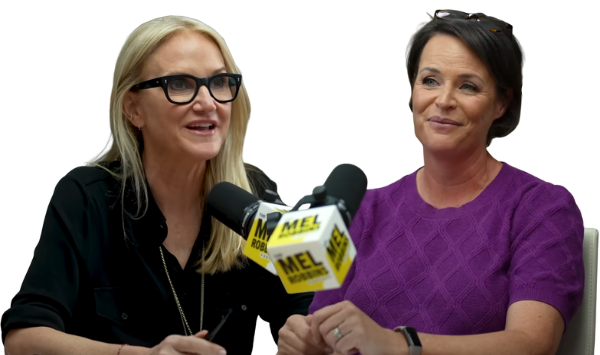

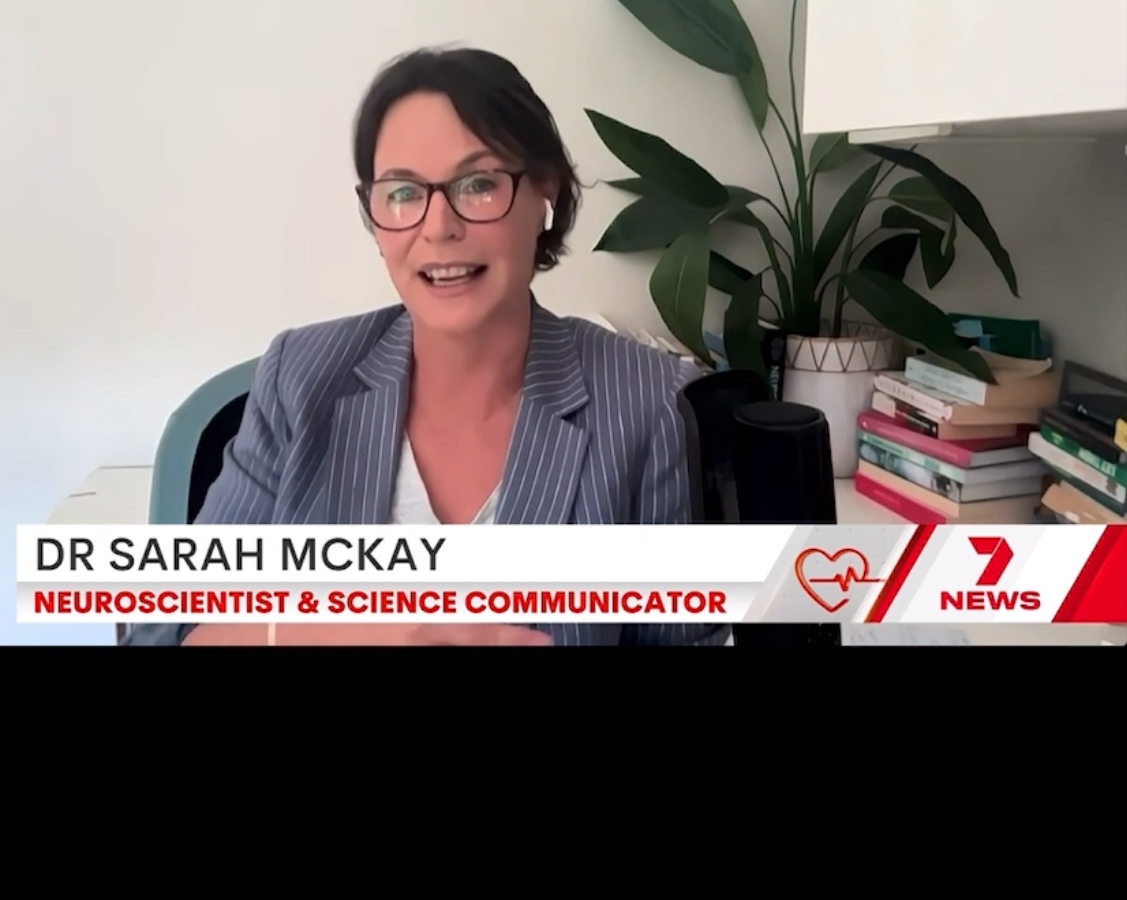
This week, I was once again caught up in a news storm over the latest misleading headlines following work was published in Psychological Medicine. While some headlines were claiming “menopause shrinks women’s brains”, I was asked if the research was junk science (neither is the case). As always with TV news appearances, my thoughts were cut to a super short soundbite, which I expand on in this Instagram reel. The research is critiqued in more detail with Prof. Pauline Maki on Fiona Clarke’s YouTube channel on menopause research.
Once again, this muddled message highlights the need for careful, plain-language science communication matters, especially in areas as emotionally charged and commercially noisy as women’s health (which is why this newsletter exists).
Also, a quick heads up that my first professional training course of the year kicks off in late February. Details are at the end of this newsletter 👇
Here’s what else caught our eye this week:
🌎 The brain economy model links brain health to economic growth, both from the perspective of the economic cost of brain disorders and the increased productivity that comes from having healthier brains. The Brain Economy Action Forum (a collaboration between the World Economic Forum and the McKinsey Health Institute) has been looking into how we can strengthen this brain economy. They’ve shared a range of insights, from the importance of investing in our brains in the age of AI, to the benefits of improving women’s brain health, to tackling employee burnout. Learn more about the Brain Economy Action Forum here.
👩🏫 Though some women can sail through menopause with no symptoms, for others the transition can be so impactful that they quit their jobs. With teacher retention already an issue, preventing the loss of perimenopausal teachers is even more critical. In this interview with Tes Magazine’s Helen Amass, menopause researcher Prof Aimee Spector talks about the brain and wellbeing changes that can come with menopause. They also talk about how schools and male teaching staff can better support perimenopausal teachers and become ‘menopause-aware’. Read it here: Are perimenopausal teachers getting enough support in schools?
😴 Consistently poor sleep can leave a huge impact on our physical and mental health. A new study has found that getting more sleep can help protect the brain from changes associated with Alzheimer’s disease in at-risk older women. This suggests that getting solid shuteye can help boost women’s resilience to Alzheimer’s disease and is a brain health intervention that needs more research and investment. This study was published in Alzheimer’s and Dementia, with a non-academic summary here.
📲 Dr Jura Lasas is a good friend of mine from my PhD days and even back then, she had a knack for making complex neuroscience feel clear and relevant. She’s just set up a new venture, Ticking Biology, supporting women through perimenopause and menopause with science-backed, grounded advice and practical resources. You can follow her on Instagram here, or visit the Ticking Biology website for more information and her menopause resources here.
😱 Exposure therapy helps people with anxiety to confront fearful situations and challenge their beliefs. The foundation of exposure therapy is fear extinction. But despite women experiencing anxiety disorders at a greater rate than men, most fear extinction studies are done in males. A new systematic review has examined sex differences in over 150 fear extinction studies to find that oestradiol enhances fear extinction and improves the effectiveness of exposure therapy. Hormonal contraceptives disrupt this effect. The review was published in Neurobiology of Learning and Memory, with a LinkedIn summary by the lead author.
🇦🇺 Dementia researcher Professor Henry Brodaty AO has been named 2026 NSW Senior Australian of the Year. His work has shaped clinical care for people with dementia, improving diagnoses and support, and leading world-first research into dementia prevention. Prof Brodaty also co-founded the Alzheimer’s Disease and Related Disorders Society, which was the early foundation for the national peak body Dementia Australia. You can learn more about Prof Brodaty, his work, and this achievement in this press release from UNSW.
🩸We know relatively little about how ADHD symptoms can change throughout a woman’s lifespan. So, a new study has asked 600 women about their ADHD symptoms at different hormonal stages. Out of the premenopausal women surveyed, around 88% reported exacerbated symptoms during the luteal phase of their menstrual cycle. Symptoms were also reported as worsened during postpartum for 70% of women, as well as during menopause for 97.5% of older women. This work was published in the Journal of Psychiatric Research, with a summary by Monash University.
🤰Expectant mothers taking depression medication can be a controversial topic, often focusing on potential risks to the foetus. But as Dr Jodi Pawluski explores in this piece for Springer Nature, untreated perinatal depression and anxiety also carry tangible risks. Rather than labelling medication as universally good or bad, she argues that we should instead be looking at how to best support maternal mental health and improve outcomes for both mother and baby. Read it here.
💬 “Maternal mental health is the central issue. SSRIs are a crucial therapeutic approach that for many women but must be considered within the broader context of a mother’s emotional well-being before, during, and after pregnancy. In clinical care and research, we often lose sight of this. The discussion becomes an “SSRI story”—focusing on dangers and negative outcomes—instead of a story about the well-being of the mother and family.” Dr Jodi Pawluski
Share the love
[Sassy_Social_Share]
1 Comment
Leave a Comment
About Dr Sarah
Neuroscientist, Author, Speaker, Director of The Neuroscience Academy suite of professional training programs.
Latest Posts
Free 10 day micro-training in neuroscience

Learn one neuroscience concept a day!
10 simple, bite-sized lessons in brain health, delivered daily to your inbox
Really appreciated the clarification here, the gap between what the research actually says and how it gets translated into headlines can be frustrating, especially with topics like menopause that already carry a lot of anxiety and misinformation. The emphasis on clearer science communication feels especially important in this space.