

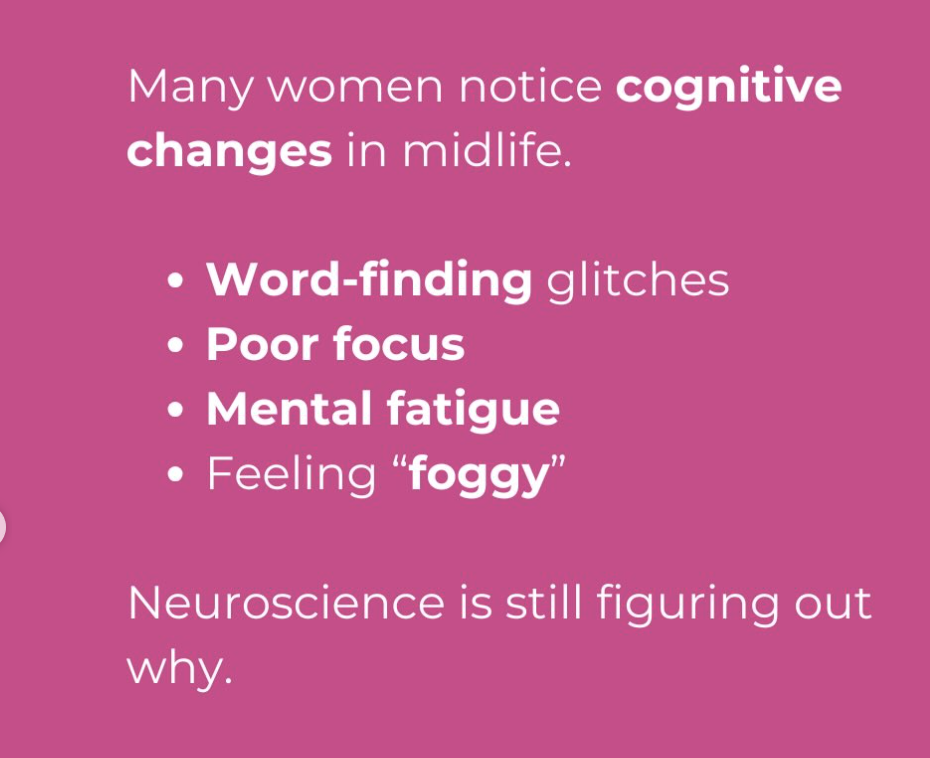
It’s easy to talk about midlife or menopausal brain fog as if there must be one clear cause and one clear fix, but the brain rarely works that way. Hormones, sleep disruption, autonomic nervous system activation, energy metabolism, mood, and attention may all interact.
If you’d like a quick explanation of how I’m thinking about all these puzzle pieces, you can see my latest Instagram post here.
And don’t forget scroll on for this week’s neuro-news, including new research on HRT (aka MHT) and dementia risk, postpartum blood pressure and brain health, and why psychiatry’s diagnostic handbook may be heading for a rethink.
Read on for this week’s neuro-news 👇
🧮 There’s so much noise online about whether hormone replacement therapy, or HRT, protects against or contributes to dementia risk and mental health disorders. But existing studies on how HRT affects the brain have many confounding factors, making it hard to untangle the true effects. So, a recent study has taken a new approach, using natural genetic variation to mimic the effects of HRT. It then analysed whether the pathways that HRT acts on play a role in dementia and mental health risk. There was no evidence that HRT was linked to dementia, changes in brain volume, or anxiety, while the association with depression remained unclear. Though more research is needed, this work is an exciting new methodological step towards better understanding the risks and benefits of HRT. This study was published in npj Women’s Health, with a LinkedIn summary by the lead author here.
🫀Women who develop high blood pressure during pregnancy, such as from preeclampsia, have an increased risk of dementia and stroke as they age. A new study from the University of Oxford has found that giving these women added clinical support to measure and reduce their blood pressure at home immediately after birth increases their white matter volume at nine months postpartum. This increased volume suggests improving blood pressure postpartum for at risk women may provide extra protection for their longer-term brain health. This study was published in JAMA Neurology, with a non-academic summary by the University of Oxford.
📚 If you work in mental health, you’ll know of the DSM. It’s the ‘bible of psychiatry’ because it provides the diagnostic criteria for every recognised mental health condition (though it certainly has its faults). We’re currently on edition 5 but the APA, the organisation behind the DSM, has recently announced that it may be starting work on the next iteration. To learn more about the DSM and what the future DSM-VI might look like, listen to this episode of Scientific American’s Science Quickly podcast: Psychiatry’s rule book faces a major rethink.
🌫️ Brain fog isn’t a medical term, but it’s how some (not all!) women describe their menopausal experience. It’s like it says on the box, like being covered in a fog, becoming forgetful and lacking concentration. There’s not much research on menopausal brain fog, and the lines between brain fog, dementia, and ADHD are poorly defined, which has left many menopausal women unsupported or confused. In this piece from Monash University, hear from A/Prof Caroline Gurvich, who’s currently developing guidelines on cognition and menopause, and investigating the lived experiences of menopausal brain fog. Read it here.
💬 “Many women are concerned they have early signs of dementia, but the cognitive symptoms of menopause are generally not a sign of irreversible decline… It really is time we reframe what is often thought of as a window of vulnerability in women’s health to a window of opportunity to build brain health and reduce longer-term dementia risk.” A/Prof Caroline Gurvich
Share the love
[Sassy_Social_Share]
About Dr Sarah
Neuroscientist, Author, Speaker, Director of The Neuroscience Academy suite of professional training programs.
Latest Posts
Free 10 day micro-training in neuroscience

Learn one neuroscience concept a day!
10 simple, bite-sized lessons in brain health, delivered daily to your inbox