

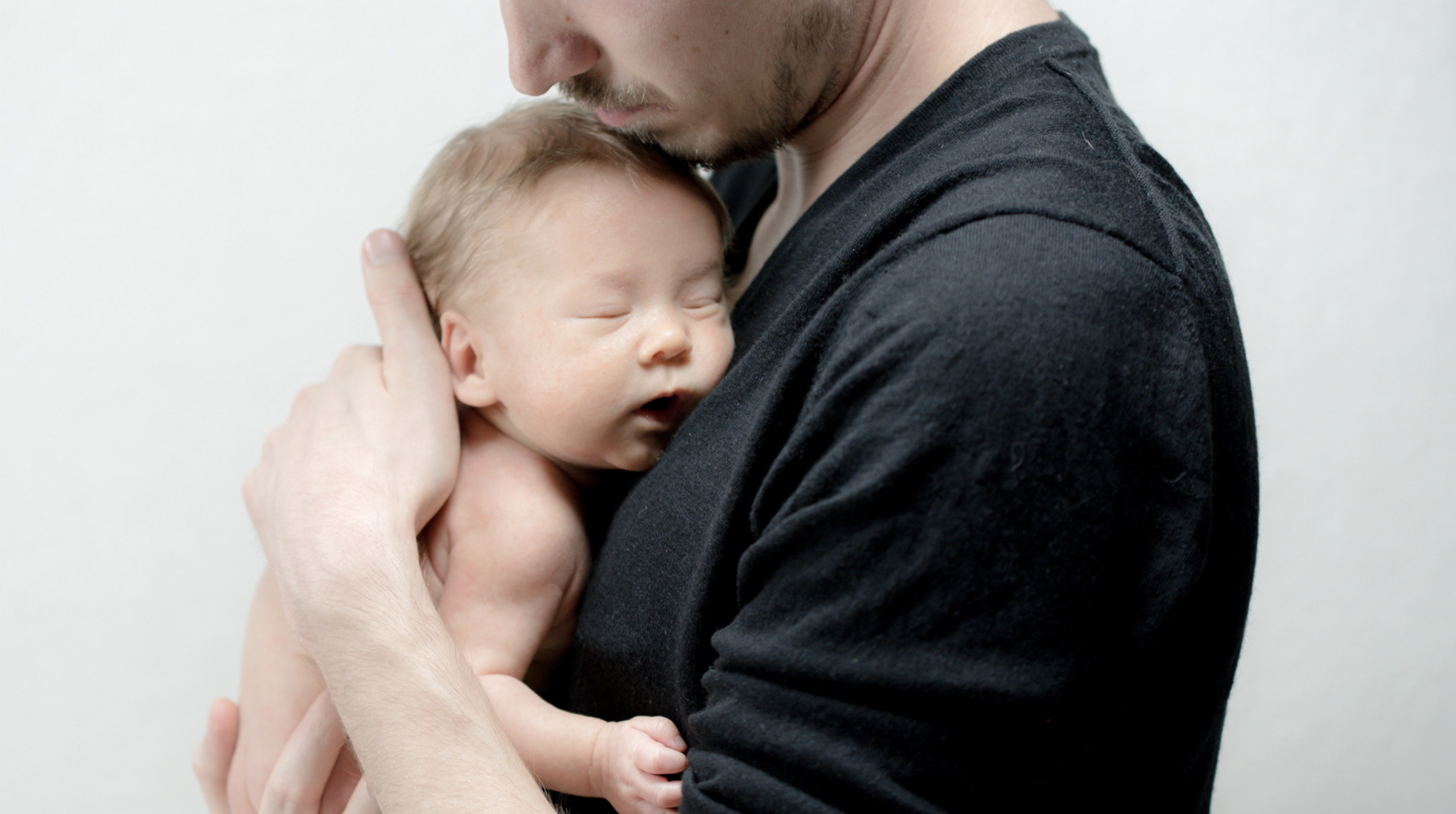
I’m often asked whether “baby brain” happens to dads, too. The answer is yes, although the physiology and neurobiology are different to women who experience pregnancy.
This week, I’m sharing the good news that a new book on the science of “dad brain” has been released by my colleague Darby Saxbe.
Scroll on to learn more about Dad brain and other news ⬇️
🥼 There are many methods for scanning the brain. The most talked about is MRI or magnetic resonance imaging. PET, or positron emission tomography, is a less well known but equally as useful tool in a neuroscientist’s toolbox because it measures neurotransmitter release. A new article has proposed using PET scans throughout the menstrual cycle to see how hormonal changes may impact neurotransmitters and mood, particularly in premenstrual dysphoric disorder (PMDD) and ADHD. This paper was published in Biological Psychiatry, with a LinkedIn summary by the first author here.
⚢ Women are twice as likely as men to develop Alzheimer’s disease. But women also live longer than men. Even women diagnosed with Alzheimer’s disease will live longer than their male counterparts and show fewer symptoms. So, why are we always focused on vulnerability? A new perspectives piece is reframing this narrative to instead explore women’s resilience to ageing, increased longevity, and survival advantage against disease. The paper was published in JAMA, with a first page preview here and a great overview on LinkedIn here.
🩸Scientists still know relatively little on what causes menopausal symptoms and why there’s so much variation between women in how they experience the perimenopausal transition. An exciting new longitudinal study out of Germany called MappingPerimenopause is aiming to track 300 midlife women across the 3 years of their perimenopausal transition. They’ll be combining measures like MRI, hormone levels, cognitive tests, and more to see how perimenopausal hormone changes affect brain health. You can learn more about the MappingPerimenopause study here and find out if you’re eligible to participate here.
🌆 Where you live is the biggest predictor of your child’s brain development. A large-scale brain-wide association study assessed 649 variables that may affect the brain health of 9- and 10-year-olds. The socioeconomic implications of a child’s postcode were by far the most powerful factor in shaping a child’s brain. It was so influential that IQ was no longer relevant after socioeconomic status was accounted for. Given socioeconomics were also closely aligned with sleep and stress measurements, the paper hypothesised that poor sleep and increased stress may be two ways that a postcode may alter child brain development. This paper was published in Science, with a summary by the first author on LinkedIn.
🧠 We all want to age well, but that doesn’t mean that we should start worrying about a potential decline in brain health. New research has shown that higher dementia risk scores were associated with increased fear of dementia in midlife. Adults who feared dementia the most were also the ones not engaging with dementia prevention and intervention programs. The results of this study are now being used to develop a new intervention called PERI-MIND that addresses dementia-related fear in midlife women. This paper was published in Aging & Mental Health, with another summary by the first author on LinkedIn.
📖 Prof Darby Saxbe is a global expert in the neurobiological changes of fatherhood. Her new book, Dad Brain, is sharing the research on how fatherhood profoundly changes men’s brains and wellbeing for the better. I actually interviewed Darby for the chapter of my book, Baby Brain, that focused on the brains of fathers, grandmothers, alloparents, and others. So, I’m particularly excited to get my hands on a copy of this book. You can learn more about Dad Brain here.
“Men’s brains do appear to change across the transition to fatherhood… It’s not because of pregnancy. It’s because they’re acquiring experience.” – Prof Darby Saxbe, as quoted in Baby Brain.
Share the love
[Sassy_Social_Share]
1 Comment
Leave a Comment
About Dr Sarah
Neuroscientist, Author, Speaker, Director of The Neuroscience Academy suite of professional training programs.
Latest Posts
Free 10 day micro-training in neuroscience

Learn one neuroscience concept a day!
10 simple, bite-sized lessons in brain health, delivered daily to your inbox
Thank you, Dr. McKay, for shedding light on the fascinating neurobiology behind fatherhood! Your insights into how a father’s brain adapts during parenthood resonate deeply with me. It’s intriguing to see how these changes foster stronger bonds with our children. I appreciate the blend of science and personal anecdotes—it offers real value for dads navigating this journey. Also, I think about how experiences in fatherhood can draw parallels to other interests we have, like gaming at fnaf 2, which also ignites emotional connections but in a different way. Thank you again for your thoughtful work!