
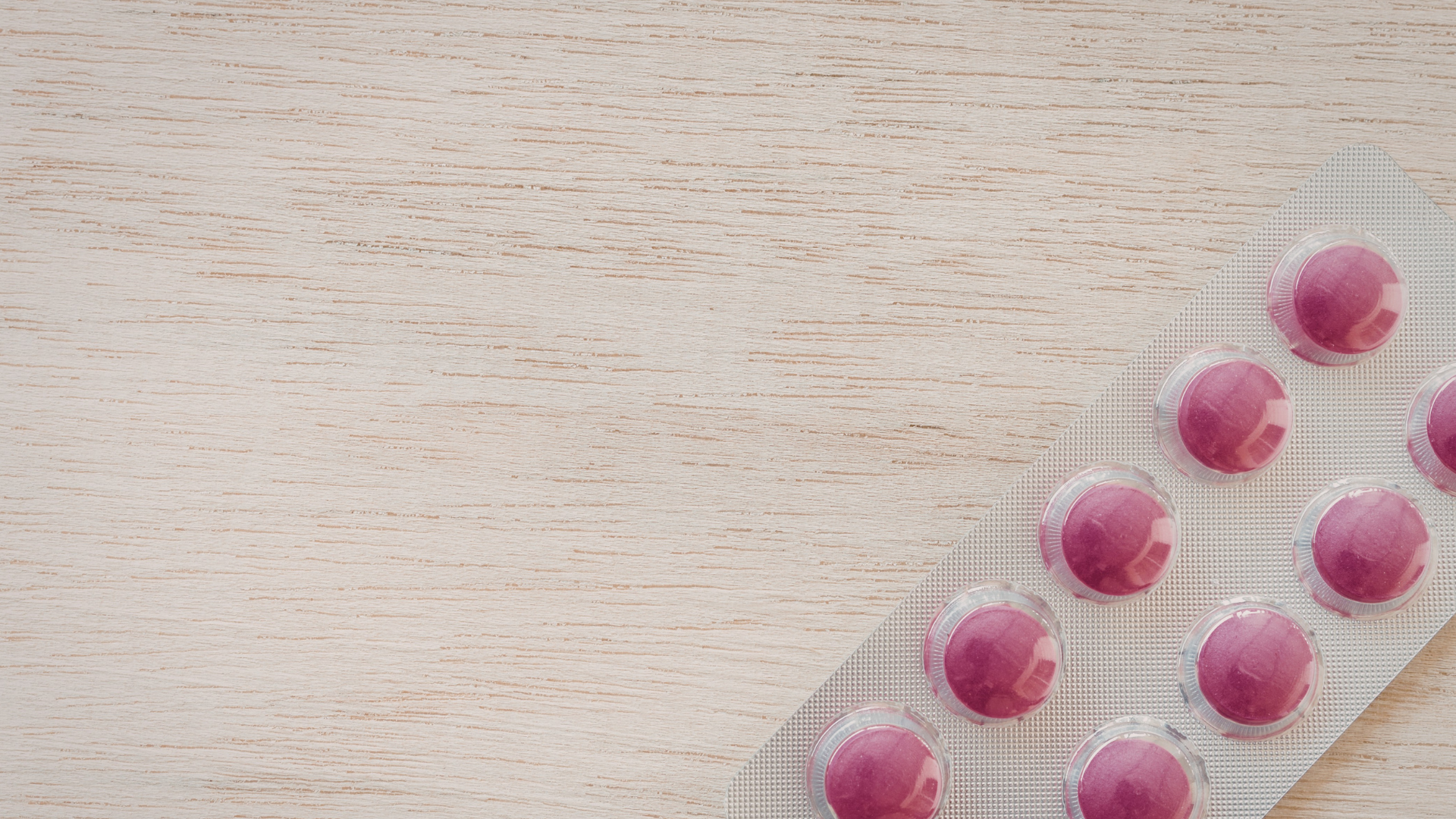
This week, I’m starting with the teenage brain and the pill. It’s a topic that is often discussed with far more drama than nuance and care, especially when it comes to teenage girls’ mental health. The research does not give us a simple yes-or-no answer, but it does remind us that young women deserve careful evidence, good clinical conversations, and informed choices.
Read on…
As with much of online health content, discussions around hormonal contraceptives for teenage girls tend to lack nuance. But what does the research really say about how the pill impacts adolescent mental health? A new review has found that although links have been made between the pill and depression in teenagers, this result is inconsistent and rarely considers other confounding factors. Most studies also do not distinguish between different pill formulations, making it hard to draw reliable conclusions. More research is still needed to help young girls make informed choices about their reproductive health. This work was published in Biological Psychiatry Global Open Science, with a LinkedIn summary by a paper author here.
We’ve all heard the line that women “go crazy” with PMS. Though the data is lacking to support that claim, a small subset of women do experience premenstrual dysphoric disorder or PMDD, a mood disorder linked to menstruation. PMDD can be life-threatening, with around a third of women with PMDD attempting suicide before their period and more than half engaging in self-harm. So, researchers are developing a new tool to help health professionals identify heightened suicide risk associated with menstrual cycling to better support women with PMDD. You can learn more about this research in this article by The Conversation.
Not getting enough sleep is bad for you, but oversleeping may not be ideal either. A new study has looked at how sleep duration impacts the rate of ageing in mid-to-late adulthood. The analysis found a U-shaped pattern, where adults who got less than 6 hours or more than 8 hours of sleep per day were ageing faster, with an optimal sleep duration at around 7 hours. However, sleep duration wasn’t the cause of all observed ageing changes but often acted as a marker for poorer health. It’s also important to remember to listen to your body when it comes to sleep. Certainly not a lot gets between my pillow and me! This study was published in Nature, with a non-academic summary available here.
Femtech has the potential to improve the lives of women around the world. However, it’s also important that this growing industry does not exploit women’s fears and circumvent clinical evidence. A new perspectives piece has identified six barriers that may limit how FemTech will practically and equitably transform women’s health outcomes. It also proposed a four-pillar framework to address these issues, covering data validation across populations and eliminating bias, building ethical data privacy infrastructure, co-designing of technology with women, and improving funding and investment into women’s health. This piece was published in Frontiers in Global Women’s Health, with a summary from Femtech Insider here.
Grace Tame is the 2021 Australian of the Year, a human rights campaigner, and women’s advocate. She’s also autistic. In this special episode of ABC’s Ladies, We Need to Talk podcast, host Yumi Stynes talks to Grace about her childhood experiences as an undiagnosed autistic girl and her journey through adulthood after finding out she was autistic in her late teens. The episode touches the impacts of being misunderstood and misdiagnosed, the overlap with avoidant restrictive food intake disorder or ARFID, masking and social conformity, and emotional dysregulation and burnout. Listen to it here: Either I’m autistic, or I’m a cat.
“I remember she handed me a picture book called All Cats Have Asperger’s. And on each page is a picture of a cat doing something cat-like. And on the corresponding page is a description of an autistic trait that is also similar. I got to the end of the book and I was sobbing. I was distraught. I was sitting there thinking, well, either I’m autistic or I’m a cat. And it turns out, believe it or not, not a cat.” Grace Tame
Share the love
[Sassy_Social_Share]
About Dr Sarah
Neuroscientist, Author, Speaker, Director of The Neuroscience Academy suite of professional training programs.
Latest Posts
Free 10 day micro-training in neuroscience

Learn one neuroscience concept a day!
10 simple, bite-sized lessons in brain health, delivered daily to your inbox