
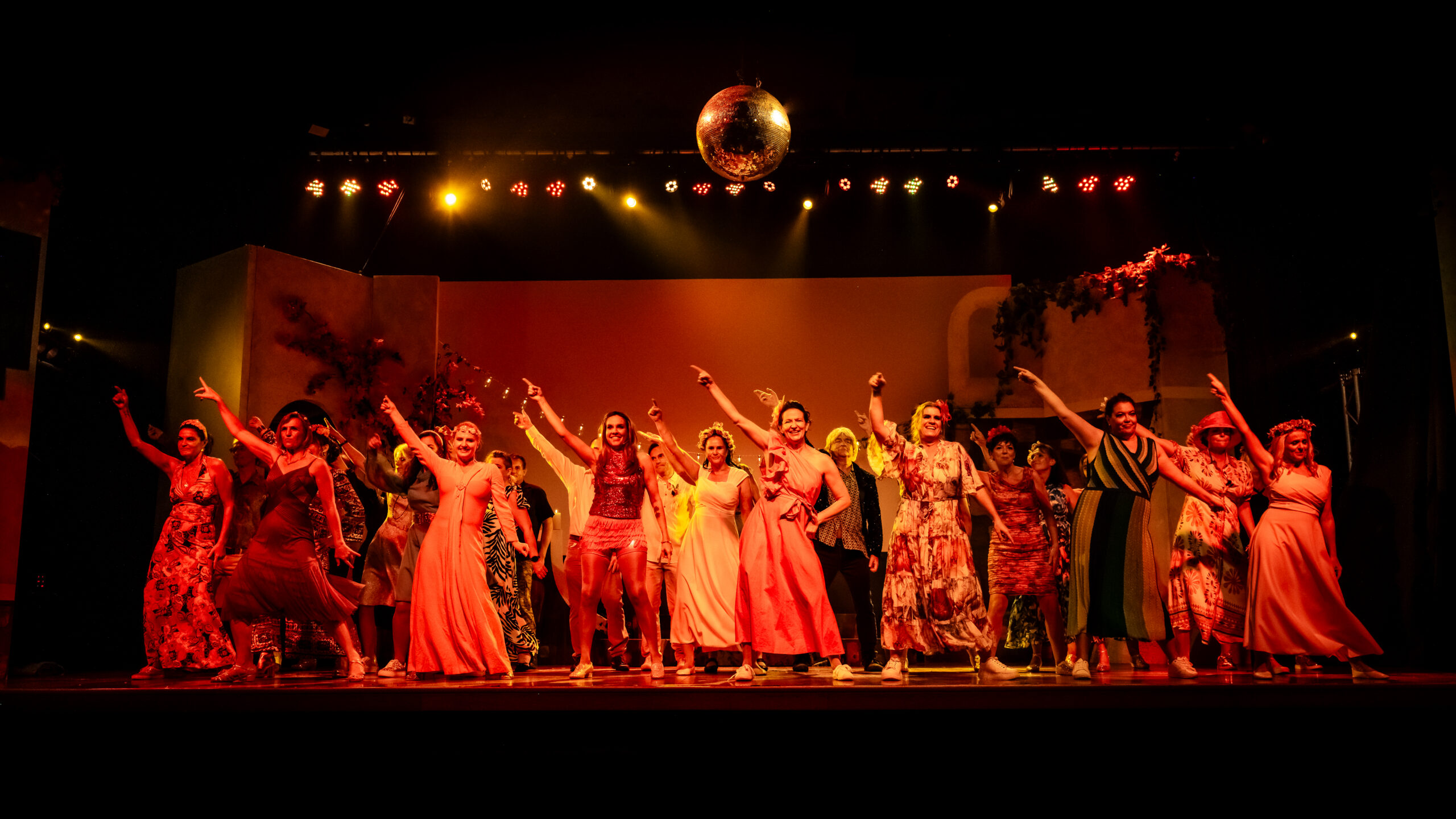
I’m writing this in the week leading up to opening night for my local community theatre production of Mamma Mia. I’m running on adrenaline, ABBA lyrics, last-minute choreography tweaks (because it all changes in the theatre), and pure joy. And also pride that at age 51, I’m prepared to dance in my swimmers and shimmer tights on stage for the greater good of the show! Almost all of us performing are over the age of 40, and we’re making the most of the lack of self-consciousness and added sense of humour that comes with midlife.
And in excellent news for my life choices, the arts are having a brain health moment this week. Read more below 👇
On to the actual news:
The biggest women’s health news this week is that polycystic ovary syndrome has been officially renamed polyendocrine metabolic ovarian syndrome. Women with the condition do not actually experience a higher rate of ovarian cysts, so the contradictory label had left up to 70% of affected women without appropriate diagnosis, treatment, and care. The newly selected name instead reflects the true nature of the syndrome, which impacts metabolism, hormones, fertility, and mental health. Learn more in this ABC News article or read the announcement in The Lancet.
The Australian Government released their 2026/27 budget last week, with the accompanying Women’s Budget Statement detailing a variety of initiatives for improving gender equality. On the women’s health front specifically, investments included funding training for clinicians on perimenopause and menopause, the first-ever national perimenopause and menopause awareness campaign, extending the National Perinatal Mental Health Check program, and improving access to contraceptives, menopausal hormone therapies, and endometriosis treatment. You can read a summary of the entire statement here or read the full Women’s Budget Statement here (health starts on page 49).
If you follow me on Instagram, you’ll know all about rehearsals for my local theatre production of Mamma Mia. But it turns out that singing and dancing to ABBA isn’t just fun, it’s likely also keeping me biologically younger. A new study has found that people who regularly participate in the arts or attend galleries, museums, and other cultural events age more slowly. The benefits were comparable to those of not smoking and even greater than those of regular exercise. This study was published in Innovation in Aging, with a non-academic summary by The Guardian.
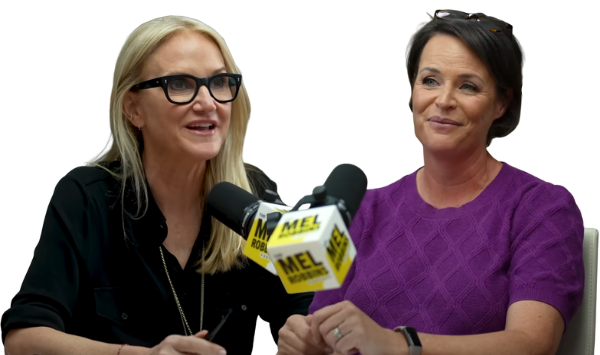
If you’re looking for a podcast devoted to women’s brain health, XXplore: Women’s Brain Health is what I always recommend. Dr Laura Stankeviciute interviews the actual scientists doing the work to have smart, thoughtful, and nuanced conversations around women’s brain health. The most recent episode explores the relationship between women’s hormones and their mental health. Topics included the interplay between serotonin and oestrogen, effects of hormonal contraception, and the role of the gut-brain axis. Listen on Spotify or Apple Podcasts.
Pregnancy triggers brain plasticity, propelling our brains into a state of heightened sensitivity to make us more empathetic, intuitive, and socially savvy. Yet many people still hold negative connotations on the concept of ‘baby brain’. In this article from Smithsonian Magazine, learn about the latest research into the remarkable neuroplasticity of matrescence, including how changing hormones sculpt the brain and the questions that are still yet to be answered. Read it here: Pregnancy Changes Mothers’ Brains. These Recent Discoveries Are Showing Us How.
“We women were right. We knew that something happens to our brains, or the way we perceive the world and the way we feel. Now, we have neuroimaging data that very powerfully demonstrates that motherhood changes you completely.” Dr Susana Carmona
Share the love
[Sassy_Social_Share]
About Dr Sarah
Neuroscientist, Author, Speaker, Director of The Neuroscience Academy suite of professional training programs.
Latest Posts
Free 10 day micro-training in neuroscience

Learn one neuroscience concept a day!
10 simple, bite-sized lessons in brain health, delivered daily to your inbox